
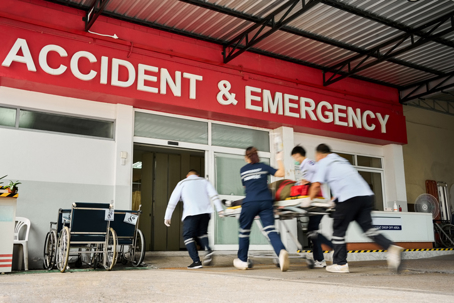
Emergency rooms are designed to provide rapid medical attention during some of the most serious and time-sensitive situations patients may face. In high-volume hospitals, emergency departments often treat hundreds of patients each day while balancing limited time, staffing shortages, and urgent medical priorities. While emergency physicians and healthcare providers work under intense pressure, patients still deserve competent medical care that meets accepted professional standards.
When emergency room diagnostic mistakes lead to preventable harm, those errors may become the basis of a medical malpractice claim. Misdiagnoses, delayed diagnoses, and failures to recognize serious medical conditions can result in devastating consequences for patients and their families. Understanding how these situations become malpractice cases can help injured individuals recognize when they may have legal options.
Why Diagnostic Errors Happen in Busy Emergency Rooms
Emergency departments are fast-paced environments where medical providers must make critical decisions quickly. Doctors, nurses, and specialists often evaluate patients with limited information while simultaneously responding to multiple emergencies. Although emergency medicine involves difficult judgment calls, healthcare professionals are still expected to follow accepted standards of care.
Diagnostic errors may occur for several reasons in high-volume hospitals, including:
- Failure to order appropriate testing
- Misinterpreting imaging results or lab reports
- Overlooking critical symptoms
- Incomplete patient evaluations
- Communication breakdowns between providers
- Prematurely discharging patients
- Delays caused by overcrowding
In some cases, providers may incorrectly assume a patient’s symptoms are minor when they actually indicate a life-threatening condition. Emergency room patients suffering from strokes, heart attacks, internal bleeding, sepsis, or serious infections may initially present with symptoms that can be mistaken for less severe illnesses. Failing to properly evaluate those warning signs can lead to delayed treatment and severe complications.
Not every emergency room mistake automatically qualifies as medical malpractice. However, when a provider’s actions fall below the accepted standard of medical care and directly cause harm, legal liability may exist.
Common Emergency Room Diagnostic Errors
Certain types of emergency room diagnostic mistakes appear more frequently in malpractice claims because of the serious harm they can cause when treatment is delayed.
One common issue involves missed strokes. Stroke patients often require immediate treatment to reduce the risk of permanent brain damage. If emergency room staff fail to recognize symptoms such as slurred speech, facial drooping, confusion, or weakness on one side of the body, the delay can significantly worsen the patient’s outcome.
Heart attack misdiagnosis is another serious concern. Some patients experience symptoms that differ from the classic chest pain commonly associated with heart attacks. Shortness of breath, nausea, fatigue, dizziness, or jaw or arm pain may be overlooked or attributed to less serious conditions.
Emergency rooms may also fail to identify dangerous infections, including sepsis. Because sepsis can rapidly become life-threatening, delayed diagnosis may lead to organ failure, amputations, or death.
Other common emergency room diagnostic errors may include:
- Missed fractures or spinal injuries
- Failure to diagnose internal bleeding
- Misdiagnosed pulmonary embolisms
- Delayed cancer diagnoses
- Failure to identify appendicitis
- Medication-related complications
These situations can have life-changing consequences for patients who trusted medical professionals to promptly and accurately identify serious conditions.
When Does a Diagnostic Error Become Medical Malpractice?
Medical malpractice cases require more than proof that a patient received an incorrect diagnosis. To successfully pursue a malpractice claim, injured patients generally must establish several legal elements.
First, a doctor-patient relationship must have existed, meaning the healthcare provider was responsible for treating the patient.
Second, the provider must have failed to meet the accepted standard of care. This standard is generally based on what a reasonably competent medical professional in a similar situation would have done.
Third, the patient must show that the diagnostic error directly caused harm. If the outcome had been the same, even with a correct diagnosis, proving malpractice may become more difficult.
Finally, the patient must demonstrate measurable damages, which may include:
- Additional medical expenses
- Lost wages
- Long-term disability
- Pain and suffering
- Emotional distress
- Loss of future earning ability
In emergency room malpractice claims, medical records, diagnostic imaging, lab reports, physician notes, and expert medical testimony often play a major role in determining whether negligence occurred.
How High-Volume Hospitals May Contribute to Errors
Large hospitals and busy emergency departments often face operational challenges that increase the risk of diagnostic mistakes. Overcrowding, staffing shortages, long wait times, and provider fatigue may all affect patient care.
In some situations, hospitals may also share liability if systemic problems contributed to the error. For example, hospitals may face scrutiny if they fail to maintain adequate staffing levels, implement unsafe procedures, or fail to properly train employees.
Electronic record systems, shift changes, and communication gaps between departments can also lead to critical patient information being overlooked. When medical teams fail to communicate effectively, dangerous conditions may go untreated for hours or even days.
Although emergency medicine is inherently demanding, hospitals still have a responsibility to provide safe systems that support accurate patient care.
The Importance of Investigating Emergency Room Malpractice Claims
Emergency room malpractice cases are often highly complex because hospitals and healthcare providers may argue that difficult conditions or limited information affected medical decision-making. These claims frequently require extensive investigation and expert analysis to determine whether providers acted appropriately under the circumstances.
An investigation may involve reviewing medical records, consulting medical experts, evaluating hospital procedures, and identifying whether earlier intervention could have prevented the patient’s injuries.
Patients harmed by diagnostic mistakes may face years of medical treatment, rehabilitation, financial stress, and emotional hardship. Understanding whether negligence contributed to those injuries is an important step toward seeking accountability.
New York Medical Malpractice Lawyers
If you or a loved one suffered harm because of a delayed diagnosis or emergency room error, Simonson Goodman Platzer PC may be able to help. Our firm represents victims of serious medical negligence and works to hold healthcare providers accountable when preventable mistakes cause life-changing injuries.
Contact Simonson Goodman Platzer PC today at (800) 817-5029 to discuss your situation and learn more about your legal options.